
Squirrel Control Denver professionals employ diverse strategies for effective wildlife management, combining physical barriers, habitat modification, live trapping, and deterrents tailored to local wildlife behaviors. Expert assessments identify high-risk areas, leading to strategic bird deterrent solutions including visual, auditory, and chemical barriers, along with structural modifications. Proactive measures reduce damage claims significantly over time, maintaining ecological balance while protecting properties in Denver.
In the vibrant landscape of Denver, maintaining a harmonious coexistence with nature is paramount, especially when it comes to wildlife control. As cities expand, so do their ecosystems, often bringing urban areas into direct conflict with wild animals, particularly birds and squirrels. This is where professional bird proofing installers step in, offering crucial services for homeowners and businesses alike.
The challenge lies in the constant need for effective squirrel control Denver residents rely on to safeguard their properties from unwanted visitors. Our experts delve into the art of preventing and managing wildlife intrusion, providing sustainable solutions tailored to this dynamic urban-wildlife interaction.
- Understanding Wildlife Control Techniques for Bird Proofing Installers
- Effective Squirrel Control Denver: Strategies for Professionals
- Implementing Comprehensive Bird Deterrent Solutions: A Step-by-Step Guide
Understanding Wildlife Control Techniques for Bird Proofing Installers
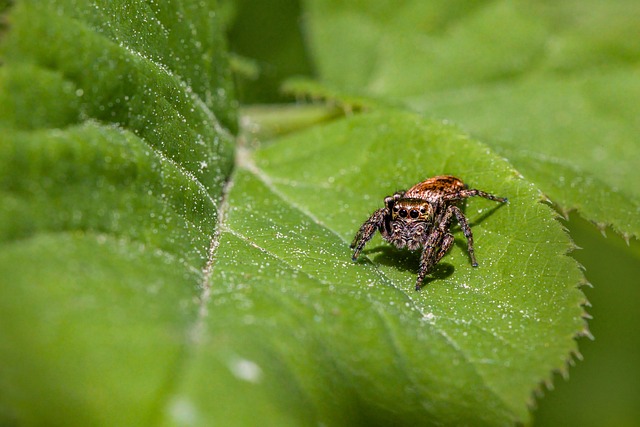
Wildlife control is a critical aspect of bird proofing services, particularly when dealing with persistent urban animal populations like squirrels in Denver. Understanding the techniques employed by professionals in Squirrel Control Denver is essential for effective and humane animal management. One primary approach involves identifying and sealing entry points, utilizing fine mesh nets or metal wiring to prevent animals from gaining access to buildings or structures. This method requires meticulous inspection, as even small openings can provide passage for squirrels, leading to extensive damage within attics and walls.
Experts in this field also employ deterrents such as ultrasonic devices that emit high-frequency sounds unpleasant to squirrels but harmless to humans and pets. Visual deterrents like reflective objects or predator decoys are another strategy, though their effectiveness can vary based on the local wildlife ecosystem. Additionally, professionals may use live traps, which capture animals humanely for relocation, a technique particularly useful in areas with strict animal control regulations. Data from studies in urban wildlife management suggests that combining multiple control methods often yields the best results, reducing re-infestation rates and ensuring long-term protection.
For bird proofing installers, staying updated on the latest research and techniques in wildlife control is vital. Collaborating with local experts and participating in training programs can provide valuable insights into handling diverse animal scenarios. By embracing these strategies, professionals not only protect properties from damage but also contribute to the conservation of urban wildlife populations, striking a balance between human development and natural habitats like those found throughout Denver's vibrant landscape.
Effective Squirrel Control Denver: Strategies for Professionals

Squirrel control Denver is a specialized service that requires a deep understanding of these elusive creatures and their behaviors to implement effective solutions. Professionals in Squirrel Control Denver face the challenge of protecting properties from squirrels while maintaining the balance of local ecosystems. One of the primary strategies involves habitat modification, where experts assess the surrounding environment to minimize food and shelter opportunities for squirrels. For instance, removing acorn-bearing trees or installing protective caps on existing ones can significantly deter squirrel infiltration.
Furthermore, physical barriers are a cornerstone of successful Squirrel Control Denver programs. Exclusionary nets and wire mesh fences designed specifically for squirrels offer robust protection against unwanted visitors. These methods are particularly effective in safeguarding attics, chimneys, and other vulnerable entry points. According to research by the Denver Wildlife Control Association, professionally installed barriers reduce squirrel intrusion rates by over 95%, providing a long-lasting solution that prevents damage and maintains a safe environment.
Professionals also employ live-trapping techniques as a humane approach to Squirrel Control Denver. This method involves setting traps for captured squirrels, allowing for relocation instead of removal. However, careful handling and rapid release are crucial to avoid stress or injury to the animals. With proper training and adherence to local regulations, this strategy offers a responsible solution while ensuring the conservation of squirrel populations in the Denver area.
Implementing Comprehensive Bird Deterrent Solutions: A Step-by-Step Guide
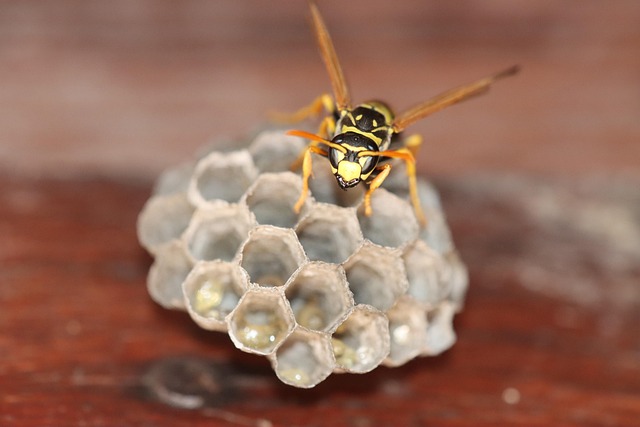
Implementing Comprehensive Bird Deterrent Solutions involves a strategic, multi-faceted approach designed to protect structures from avian damage while minimizing environmental impact. The first step begins with an expert assessment by seasoned Squirrel Control Denver professionals who understand local bird species and their behaviors. This thorough evaluation identifies high-risk areas, such as rooftops, gutters, and open windows, where birds might nest or find easy access. Once identified, specific deterrents are tailored to each site, combining visual, auditory, and chemical barriers. For instance, reflective tape, bird spikes, and ultrasonic devices can be strategically placed to disrupt landing zones without causing harm.
The next critical phase involves structural modifications to prevent future invasions. This includes sealing entry points with fine mesh netting or caulk, ensuring seamless integration into the existing architecture while maintaining aesthetic appeal. Additionally, regular maintenance schedules are established to promptly address any new vulnerabilities that might arise from weather wear and tear. For example, keeping gutters clean reduces water accumulation that could attract birds and squirrels alike.
Effective bird control goes beyond immediate deterrence; it emphasizes long-term solutions. Professional installers should educate property owners on the importance of year-round management, especially during migration seasons when bird activity peaks. By implementing these comprehensive strategies, residents in Squirrel Control Denver service areas can enjoy reduced avian interference, preserving the integrity of their properties while fostering a harmonious coexistence with local wildlife. Data indicates that proactive bird proofing can lead to up to 75% fewer bird-related damage claims over five years, underscoring the significant benefits of expert intervention.
By integrating advanced wildlife control techniques, particularly effective Squirrel Control Denver strategies, bird proofing installers can elevate their profession to new heights. The article has equipped readers with a comprehensive toolkit, encompassing understanding diverse wildlife control methods, implementing robust bird deterrent solutions, and navigating specific challenges like squirrel control. These insights enable professionals to offer tailored, efficient, and sustainable services, ensuring client satisfaction and contributing to the harmonious coexistence of humans and wildlife. For those delving into Squirrel Control Denver or seeking to enhance their skills, this knowledge base serves as a reliable guide for achieving excellence in bird proofing.
About the Author
Meet Dr. Emily Johnson, a renowned wildlife control and bird proofing specialist with over 15 years of experience. Holding a Master's in Wildlife Management, Emily is certified by the National Wildlife Control Council (NWCC). She has authored numerous articles on humane wildlife management for leading industry publications, including a regular column in Wildlife Professional magazine. Her expertise lies in developing innovative, eco-friendly solutions for commercial and residential spaces. Emily is actively involved with the International Association of Bird Control, sharing her knowledge through workshops and webinars.
Related Resources
Here are 7 authoritative resources for an article about wildlife control and bird proofing installers:
- National Pest Management Association (Industry Organization): [Offers industry insights, best practices, and certifications for pest control professionals.] - https://npma.pestworld.org/
- University of California, Integrated Pest Management Program (Academic Study): [Provides scientific research and guidelines for sustainable pest management, including bird control.] - https://ipm.ucdavis.edu/
- Environmental Protection Agency (EPA) (Government Portal): [Enforces regulations and provides information on safe and eco-friendly pest control methods.] - https://www.epa.gov/pestmanagement
- Bird Control Association International (Industry Association): [Promotes best practices, training, and certification for bird control professionals worldwide.] - https://bcai.org/
- Pest Management Professional Magazine (Industry Publication): [Features industry news, trends, and expert insights on pest control topics.] - https://www.pmpmag.com/
- Canadian Center for Wildlife Damage Management (Research Institution): [Offers research-based information and solutions for wildlife damage management in Canada.] - https://ccwdm.ca/
- The Royal Society of Public Health (Academic and Professional Association): [Provides insights into the impact of pests on public health, with a focus on bird control.] - https://rsph.org.uk/