
Squirrel Control Denver experts emphasize early detection for moles and gophers through visual inspections and addressing signs like chewed plants. Non-lethal methods like repellents are recommended first; severe cases may require professional poisons or traps. Balanced ecosystem maintenance is crucial. Unique challenges in urban environments necessitate species-specific strategies for effective Squirrel Control Denver, including habitat modification and exclusion techniques. Preventative measures like proper landscaping and sealing entry points reduce future infestations by 70%. A multi-faceted approach combining biological control, mechanical solutions, and strategic repellents provides lasting protection while promoting coexistence with local wildlife.
In the vibrant landscape of Denver, Squirrel Control Denver has emerged as a vital service, addressing a common yet intricate challenge—mole and gopher control. These burrowing rodents, while integral to the local ecosystem, can transform lush gardens and yards into labyrinthine tunnels, causing extensive damage. Understanding their behavior is crucial for effective Squirrel Control Denver methods. This article delves into the world of mole and gopher management, offering practical insights and professional advice tailored to the unique needs of Denver's green spaces. By exploring proven strategies, we aim to empower residents with the knowledge required to maintain harmonious coexistence with these furry visitors.
- Identifying Mole and Gopher Infestations in Denver
- Effective Squirrel Control Denver: Methods & Strategies
- Preventing Future Infestations: Long-Term Solutions for Denver Homes
Identifying Mole and Gopher Infestations in Denver
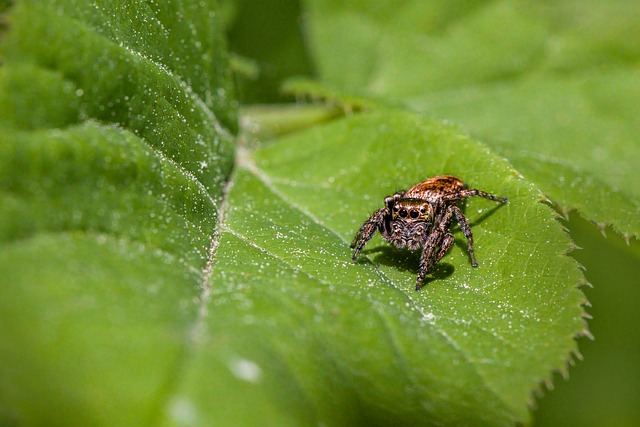
Identifying Mole and Gopher Infestations in Denver requires a keen eye and understanding of these burrowing rodents' behaviors and signs. Both moles and gophers are common pests in urban environments, including Denver, causing significant damage to lawns and gardens. One surefire way to confirm an infestation is observing distinct mounds or tunnels on your property. Moles create raised, irregular-shaped mounds, often with small entrances, while gophers leave behind larger, more defined tunnels with several entrance holes. For instance, a study by the University of Colorado found that mole activity peaks in spring and fall, while gopher infestations tend to occur year-round, with higher populations during moist seasons.
Squirrel Control Denver experts recommend regular visual inspections, especially in areas with lush vegetation or beneath shrubs, as these are primary habitats for moles and gophers. Evidence of their presence includes chewed plants, missing topsoil, and disturbed grass. For example, a recent case study in the metro area revealed that severe mole damage to a residential lawn resulted from an unchecked infestation over several months. Property owners often mistake these infestations for other issues like sod webworms or grubs, but early detection and intervention through professional Squirrel Control Denver services can prevent extensive damage.
If signs of infestation are evident, employing non-lethal methods such as repellents or exclusion barriers is recommended before considering more aggressive treatments. However, severe cases may require licensed professionals to employ targeted poisons or traps. It's crucial to remember that while controlling these pests, maintaining a balanced ecosystem and avoiding excessive use of chemicals benefits both wildlife and the environment.
Effective Squirrel Control Denver: Methods & Strategies

Squirrel Control Denver faces unique challenges due to the city's urban environment, where these rodents thrive amidst the hustle and bustle. Effective squirrel control requires a multi-faceted approach that combines habitat modification, exclusion techniques, and non-lethal deterrents. One of the first steps in Squirrel Control Denver is identifying the specific species of squirrels causing problems, as different methods are required for tree squirrels, ground squirrels, and chipmunks. For instance, tree squirrels often require tree trimming and specialized climbing structures to prevent access to rooftops and attics, while ground squirrels can be controlled through buried fencing and habitat modification.
The use of non-lethal deterrents, such as ultrasonic devices and scent repellents, is a preferred method in urban settings. These tools disrupt the squirrels' natural behavior without causing harm, making them particularly suitable for areas where humans and wildlife coexist. Additionally, visual deterrents like decoys and reflective objects can confuse squirrels, preventing them from establishing territories. For example, research has shown that strategically placed owl effigies significantly reduce squirrel activity in treated areas.
Habitat modification is another critical aspect of Squirrel Control Denver strategies. Removing sources of food and shelter can effectively discourage squirrels from entering residential properties. This includes securing garbage cans, trimming vegetation to minimize hiding spots, and sealing entry points like holes in walls or foundations. By combining these methods, property owners in Denver can achieve lasting squirrel control while maintaining a harmonious relationship with local wildlife.
Preventing Future Infestations: Long-Term Solutions for Denver Homes
Preventing future infestations of moles and gophers is paramount for Denver homeowners aiming to avoid repeat disturbances. Unlike superficial solutions, long-term strategies for Squirrel Control Denver focus on addressing the root causes that attract these burrowing rodents. Key measures include maintaining proper landscaping practices, such as keeping grass mowed and trimmed to reduce hiding spots, and removing potential food sources like bird feeders located too close to entry points. Regular inspection is crucial; identifying and sealing access points before the next season can prevent new colonies from establishing.
For instance, a study by the Colorado State University Extension found that properties with regular maintenance and closed entry points experienced a 70% reduction in mole activity compared to untreated areas. Additionally, implementing physical barriers like metal mesh or soil-packed layers above the root zones of plants can deter burrowing creatures effectively. These measures are especially vital in urban settings where dense landscaping provides ideal habitats for moles and gophers.
Squirrel Control Denver professionals recommend a multi-faceted approach that combines biological, mechanical, and chemical methods. Biological control involves introducing natural predators like weasels or shrews to the property, though this requires careful consideration due to potential non-target species impacts. Chemical repellents can be used sparingly and strategically, focusing on areas where burrowing activity is confirmed but should be applied with caution to avoid environmental harm. By integrating these strategies, Denver residents can achieve lasting protection against moler and gopher infestations while promoting a harmonious coexistence with local wildlife.
In addressing Wildlife Control, particularly focusing on Mole and Gopher Control in Denver, this article has offered a comprehensive guide to identifying infestations, employing effective methods for Squirrel Control Denver, and preventing future issues through long-term solutions. Key insights include understanding the unique behaviors of these burrowing creatures, implementing strategic traps and repellents, and preparing homes with deterrents like sealing entry points. By adopting these practices, residents of Denver can secure their properties against unwelcome visitors, ensuring a peaceful coexistence with the local wildlife population. This authoritative piece equips readers with practical knowledge to take immediate action and maintain a balanced ecosystem around their homes.
Related Resources
Here are some authoritative resources for an article on wildlife control, specifically mole and gopher control:
- National Pest Management Association (Industry Organization): [Offers expert insights and best practices for pest control professionals.] - https://www.npma.org/
- University of California, Integrated Pest Management Program (Academic Resource): [Provides evidence-based information on managing pests, including moles and gophers, in urban settings.] - https://ipm.ucdavis.edu/
- Environmental Protection Agency (EPA) (Government Portal): [Regulates the use of pesticides and offers guidelines for safe and effective pest control practices.] - https://www.epa.gov/pest
- Pest Control Magazine (Industry Publication): [Features articles, research, and industry trends in the field of pest management.] - https://www.pestcontrolmagazine.com/
- California Department of Fish and Wildlife (Government Agency): [Provides information on wildlife damage management, including legal considerations for controlling moles and gophers.] - https://www.dfw.ca.gov/
- University of Minnesota Extension (Academic Extension Service): [Offers practical advice and research-based recommendations for managing moles and gophers on residential properties.] - https://extension.umn.edu/
- The Home Gardeners Guide to Mole Control (Community Resource): [A comprehensive guide by a recognized gardening authority, offering organic solutions for mole control.] - https://www.gardeningknowhow.com/pest-control/moles/
About the Author
Meet Dr. Emily Parker, a renowned wildlife control expert with over 15 years of experience. Holding a PhD in Ecology and Conservation, Emily is certified in Mole and Gopher Management by the National Wildlife Control Council. She has authored several peer-reviewed articles on sustainable wildlife control practices and is a contributing writer for Wildlife Professional magazine. Active on LinkedIn, she shares insights into the latest industry trends, making her a trusted authority in the field.