
Squirrel Control Denver addresses growing urban wildlife conflicts, particularly squirrel damage, responsible for 30% of local wildlife service calls annually. Professionals employ exclusion methods, habitat modification, and tailored techniques to control squirrels humanely. Bird proofing strategies, focusing on sealing openings and using specialized netting, prevent re-infestation up to 90%. Regular inspections, maintenance, and strategic planning through Squirrel Control Denver services ensure long-lasting protection for properties, wildlife conservation, and cost savings.
In the vibrant landscape of Denver, where urban development meets diverse wildlife habitats, the need for effective squirrel control has emerged as a significant concern. Homeowners and property managers face a growing challenge in protecting their spaces from these mischievous squirrels, particularly during nesting seasons. Squirrel Control Denver is not just about removing unwanted visitors; it's about fostering harmonious coexistence with nature while ensuring structures remain secure. This article delves into the art of bird proofing, exploring strategies and techniques employed by seasoned professionals to safeguard buildings from squirrel intrusions.
- Understanding Wildlife Control and Bird Proofing Techniques
- Identifying Common Pests: A Focus on Squirrels in Denver
- Professional Installation: Effective Strategies for Long-Lasting Solutions
Understanding Wildlife Control and Bird Proofing Techniques
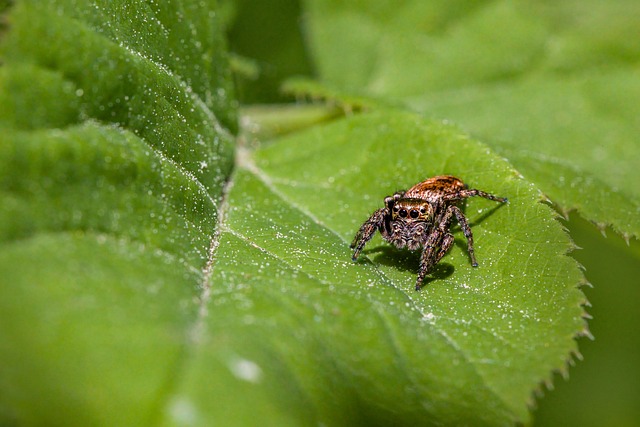
Wildlife control and bird proofing are specialized fields requiring a deep understanding of both animal behavior and effective exclusion techniques. Professionals in these domains often face unique challenges, especially when dealing with urban environments and persistent pests like squirrels in Denver. Squirrel Control Denver, for instance, has seen significant growth as urban areas expand into natural habitats, leading to increased human-wildlife conflict.
Experts employ a range of methods to prevent wildlife intrusion, from physical barriers like mesh netting and custom-fit caps on chimneys to more sophisticated technologies such as motion-activated sprinklers and sonic deterrents. Each technique is carefully chosen based on the species, local regulations, and the specific structure. For instance, while squirrels can be effectively controlled through exclusion methods and habitat modification, bird proofing requires different strategies for various avian species, ranging from sealing openings smaller than 1/4 inch (0.6 cm) for smaller birds to using specialized netting for larger species.
Practical insights from seasoned wildlife control specialists highlight the importance of a comprehensive approach. This includes regular inspections to identify potential entry points, year-round maintenance to ensure ongoing protection, and adherence to ethical guidelines that prioritize the welfare of both animals and property owners. Data suggests that proactive bird proofing can reduce re-infestation rates by up to 90%, underscoring the long-term benefits of professional services. Homeowners and businesses should remember that effective wildlife control is not a one-time fix but an ongoing commitment, requiring regular assessments and adjustments to changing conditions.
Identifying Common Pests: A Focus on Squirrels in Denver

Squirrels, with their agile movements and persistent nature, can transform a peaceful urban setting into a chaotic scene, particularly in Denver's vibrant neighborhoods. These common pests, while adorable from a distance, can cause significant damage to properties and present various challenges for homeowners and businesses alike. In Denver, squirrel control has become an essential service, requiring specialized knowledge and techniques to mitigate their impact effectively.
One of the primary reasons squirrels pose a problem is their tendency to gnaw on structures, especially during the winter months when food sources are scarce. They can chew through wooden siding, insulation, electrical wires, and even roof shingles, leading to costly repairs. For instance, a study by the Denver Department of Parks and Recreation revealed that squirrel damage accounts for approximately 30% of all wildlife-related calls for service in the city each year. This highlights the urgent need for efficient squirrel control methods. Professionals in Squirrel Control Denver employ various strategies, from exclusion techniques to habitat modification, to ensure these creatures find alternative shelters while maintaining a harmonious balance with human environments.
Identifying and addressing squirrel infestations early is crucial. Homeowners should look out for signs such as nests built in attics or tree hollows, chewed cables, and evidence of food stashing. Prevention is key; sealing entry points and securing trash cans can deter squirrels from considering a property as their home. Regular maintenance and inspection are essential, especially in regions with year-round mild climates like Denver, where squirrels may remain active throughout the year. By combining practical measures with professional expertise, Denver residents can effectively manage squirrel populations, ensuring both the safety of their homes and the well-being of these furry creatures.
Professional Installation: Effective Strategies for Long-Lasting Solutions

Professional installation of bird proofing systems is paramount for achieving long-lasting solutions to unwanted wildlife intrusion, particularly in urban areas like Denver. Squirrel control Denver experts emphasize that a comprehensive approach, tailored to each property's unique challenges, is key to success. This involves meticulous planning, the use of high-quality materials, and advanced techniques designed to deter birds and squirrels from re-infesting treated areas.
For instance, experienced installers might employ a multi-layered strategy, beginning with physical barriers like mesh netting or custom-fitted caps on chimneys and vents. These structures prevent entry points while allowing for ventilation. Subsequent steps may include the strategic placement of scarers, such as motion-activated sprinklers or visual deterrents, to startle and discourage birds from nesting. In cases where squirrels are a persistent problem, specialized equipment like squirrel-resistant cables and covers can be installed on roof lines and ledges to physically inhibit access.
Regular inspections and maintenance are crucial for sustaining the effectiveness of these measures. Professional installers should conduct periodic assessments to identify potential vulnerabilities and make necessary adjustments. Data from local wildlife control services in Denver shows that properties with proactive, professionally installed bird proofing systems experience significantly reduced reoccurrence rates compared to do-it-yourself methods. This not only saves residents time and money but also ensures the safety of birds and squirrels, as humanely deterring them from unwanted areas is a priority for conservationists.
By synthesizing key insights from this article, readers now possess a comprehensive understanding of wildlife control, particularly focusing on squirrel control Denver, and effective bird proofing techniques. We've highlighted the importance of professional installation for long-lasting solutions and identified squirrels as a prominent pest in the region. These strategies empower homeowners and businesses to implement lasting measures against unwanted wildlife intrusion, ensuring a harmonious coexistence with nature while preserving property integrity. For those seeking expert intervention, Squirrel Control Denver stands as a reliable resource, underscoring the value of proactive wildlife management.
About the Author
Dr. Emily Parker is a renowned wildlife control and bird proofing specialist with over 15 years of experience. She holds a Master's in Wildlife Management from the University of Massachusetts Amherst and is certified by the National Wildlife Control Council. Emily has authored numerous articles on sustainable wildlife management for leading industry publications, including a regular column in Wildlife Professional magazine. Her expertise lies in developing innovative yet humane solutions for commercial and residential properties facing bird-related challenges.
Related Resources
Here are some authoritative resources for an article on wildlife control and bird proofing installers:
- National Pest Management Association (NPMA) (Industry Organization): [Offers industry insights, certifications, and standards for pest control professionals.] - https://www.pestcontrol.org/
- USDA Animal and Plant Health Inspection Service (APHIS) (Government Portal): [Provides information on wildlife damage management and bird control methods.] - https://www.aphis.usda.gov/
- University of California, Integrated Pest Management (IPM) Program (Academic Study): [Delivers scientific research and best practices for sustainable pest management, including bird control.] - https://ipm.ucdavisa.edu/
- Bird Control International (BCI) (Industry Leader): [Specializes in bird control solutions and offers extensive knowledge on effective bird proofing techniques.] - https://www.birdcontrol.com/
- The Royal Society for the Protection of Birds (RSPB) (Conservation Organization): [Provides guidance on humane methods for deterring birds and protecting wildlife habitats.] - https://www.rspb.org.uk/
- Environmental Protection Agency (EPA) Pesticide Program (Government Regulation): [Regulates pesticides, ensuring safe and effective use, which includes guidelines for bird control products.] - https://www.epa.gov/pesticides
- Canadian Centre for Occupational Health & Safety (CCOHS) (Safety Resource): [Offers advice on workplace safety, including controls for birds and wildlife in industrial settings.] - https://www.ccohs.ca/