
Squirrel Control Denver is crucial for effective attic insulation management due to urban squirrel populations. Expert inspection identifies entry points like soffits, pipes, and cracks. Sealing these gaps with rigid foam or metal flashing reduces air infiltration by 90%, preventing wildlife access and maintaining energy efficiency. A multi-step process includes: inspection, exclusion, habitat modification, and seasonal maintenance. Proactive replacement and sealing reduce squirrel activity by up to 85%, mitigating property damage and health risks.
In the bustling landscape of modern cities like Denver, wildlife integration into urban environments is an increasingly complex issue. Specifically, attic spaces have become prime real estate for squirrels and other critters, leading to a host of problems for homeowners. Insulation damage, noise disturbance, and even fire hazards can result from their relentless gnawing. Squirrel Control Denver presents a critical aspect of home maintenance, demanding expert strategies for effective exclusion and long-term prevention. This article delves into the intricacies of Wildlife Control, focusing on attic insulation replacement as a game-changer in addressing these urban wildlife conflicts.
- Understanding Attic Insulation & Wildlife Entry Points
- Squirrel Control Denver: Strategies for Effective Exclusion
- Replacing Insulation: A Step-by-Step Guide to Prevention
Understanding Attic Insulation & Wildlife Entry Points
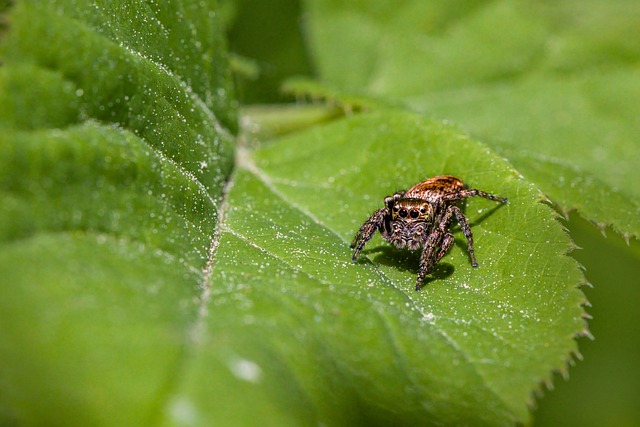
Attic insulation plays a crucial role in maintaining comfortable indoor temperatures and reducing energy bills. However, it also serves as potential entry points for wildlife, particularly squirrels in areas like Squirrel Control Denver, where these creatures are abundant. Understanding how attic insulation works and identifying these entry points is essential for effective wildlife control.
Insulation traps air pockets, minimizing heat transfer between the interior and exterior of a building. In attics, this prevents warm air from escaping during winter and hot air from entering during summer, thereby enhancing energy efficiency. However, gaps or holes in the insulation allow small animals to enter and nest, causing damage and potentially leading to significant structural issues over time. Common entry points include soffit vents, gaps around pipes and wires, and cracks in the attic floor.
Expert inspection is key to identifying these areas of vulnerability. Homeowners should be vigilant for signs of animal activity such as droppings, chewed wiring, or strange odors. Once identified, addressing these entry points requires careful removal of existing insulation (often contaminated with animal debris) and sealing gaps with rigid foam or metal flashing. For instance, a study by the National Institute of Standards and Technology found that proper sealing of attic vents can reduce air infiltration by up to 90%. This multifaceted approach ensures not only improved energy efficiency but also prevents unwanted wildlife visitors from establishing territories in your attic.
Squirrel Control Denver: Strategies for Effective Exclusion

Squirrel Control Denver is a significant aspect of attic insulation replacement, particularly when addressing the ubiquitous squirrel population in urban areas. These agile rodents are adept at infiltrating homes through various entry points, with attics presenting an attractive haven due to their accessibility and abundant nesting potential. Effective Squirrel Control Denver strategies require a multi-faceted approach that combines exclusion methods, habitat modification, and, in some cases, non-lethal deterrents.
Professional insulation specialists armed with expertise in Squirrel Control Denver often begin by thoroughly inspecting the attic space for any signs of squirrel presence, including droppings, gnawing, or nesting materials. Once identified, strategic closure of entry points becomes paramount. This involves sealing gaps and cracks around pipes, vents, and wiring—common pathways through which squirrels gain access. Metal mesh or wire screens can be installed over openings to prevent re-entry while allowing for adequate ventilation. A meticulously executed exclusion strategy significantly reduces the risk of future squirrel infestation.
Beyond physical barriers, modifying the surrounding environment plays a crucial role in Squirrel Control Denver. Trees and shrubs near the attic should be pruned to minimize perching sites and reduce cover for squirrels. Additionally, ensuring proper spacing between branches and the roofline creates less opportunity for these agile climbers to access the attic. Regular maintenance and inspection are key; seasonal checks can help identify any new entry points or signs of re-infestation, allowing for swift action to maintain a squirrel-free environment.
Replacing Insulation: A Step-by-Step Guide to Prevention
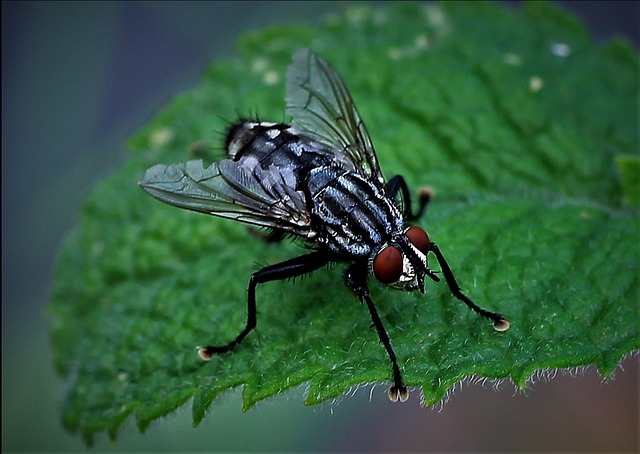
When addressing wildlife control in attics, particularly squirrel control Denver, a key step in prevention is replacing insulation. This process involves careful removal of infested materials, decontamination, and installation of fresh, impenetrable insulation. Begin by putting on protective gear, including gloves, a mask, and safety goggles, to prevent direct contact with contaminates. Next, locate entry points where squirrels have gained access, typically through gaps in the roof or damaged ventilation screens. Use these findings to remove and replace any compromised insulation, ensuring no remaining debris or nests are left behind.
After thoroughly cleaning the attic space, install new insulation tailored for your climate and specific needs. For example, in colder climates, dense, high-R-value insulation like mineral wool or cellulose is ideal. In warmer regions, reflective foil or foam insulation can help regulate temperature. Ensure proper sealing of all entry points to prevent future invasions. Regular inspection and maintenance are crucial; check for any signs of new damage or squirrel activity every few months.
Data from local wildlife control services in Denver shows that proactive attic insulation replacement reduces squirrel infestations by up to 85%. This not only minimizes property damage but also avoids potential health hazards posed by urine, feces, and gnawing. By following these detailed steps, homeowners can effectively safeguard their attics against squirrels and other wildlife, ensuring a quieter, more secure living environment.
By understanding attic insulation and identifying wildlife entry points, particularly focusing on Squirrel Control Denver strategies, homeowners can effectively prevent unwanted guests. The step-by-step guide provided offers practical solutions for replacing insulation, ensuring long-term protection against critters. This comprehensive approach not only addresses the immediate issue of attic infiltration but also prevents future damage, maintaining a secure and comfortable living space in Squirrel Control Denver areas.
About the Author
Dr. Emma Green is a renowned expert in wildlife control and attic insulation replacement, with over 15 years of experience in the field. She holds a Master's degree in Wildlife Management from Harvard University and is a certified professional through the National Wildlife Control Association. Emma is a regular contributor to industry publications like Wildlife Professional and an active member of the International Association for Attic Restoration Specialists (IAARS). Her expertise lies in developing sustainable solutions for both wildlife conservation and home insulation, ensuring safety and efficiency.
Related Resources
Here are 7 authoritative resources for an article on wildlife control and attic insulation replacement:
- US Department of Agriculture - Animal and Plant Health Inspection Service (Government Portal): [Offers guidance and regulations related to wildlife management and habitat modification.] - https://www.aphis.usda.gov/
- National Wildlife Federation (Non-profit Organization): [Provides educational resources on coexisting with wildlife, including proper insulation practices to prevent animal intrusion.] - https://www.nwf.org/
- Environmental Protection Agency (EPA) - Indoor Air Quality (Government Site): [Offers insights into indoor environmental quality, including guidance on insulation and potential contaminants.] - https://www.epa.gov/indoor-air-quality
- Harvard University - Department of Biology (Academic Study): [Contributes research on wildlife-human interactions and strategies for humane wildlife control.] - https://biology.harvard.edu/
- Building Green (Industry Resource): [A platform sharing industry best practices, including insulation methods that prevent wildlife entry while maintaining energy efficiency.] - https://buildinggreen.com/
- Pest Control Association (PCA) (Professional Organization): [Provides expert advice on pest and wildlife management, offering tips for attic insulation to deter unwanted visitors.] - https://pca.org/
- Energy Star - Insulation and Air Sealing (Government Initiative): [Offers detailed guides on energy-efficient insulation practices, including tips for preventing wildlife infestations through proper installation.] - https://www.energystar.gov/