
Squirrel Control Denver emphasizes understanding wildlife entry points for residential inspections. Squirrels access homes through gaps in roofs, screens, and doors, leading to infestations. Proactive measures involve sealing weak spots with steel wool, metal mesh, and weather stripping. Seasonal peak activity in spring and fall necessitates increased inspections. Live trapping is a humane option. Regular inspections, structural changes, and professional guidance are crucial for preventing and managing squirrel infestations, reducing health risks and costly repairs.
In the dynamic landscape of home maintenance, effective Wildlife Control is an often overlooked yet critical component for any residential property. As urban areas continue to expand, wildlife, such as squirrels, inevitably find their way into our homes, causing significant damage. Squirrel Control Denver has established itself as a leading authority in addressing this growing issue. Our specialized inspection services go beyond surface-level assessments, employing advanced techniques and industry knowledge to identify potential entry points and implement tailored solutions. By leveraging cutting-edge technology and eco-friendly methods, we offer effective, long-lasting relief from unwanted squirrel infestations.
- Understanding Wildlife Entry Points in Denver Homes
- Effective Squirrel Control Strategies for Residential Properties
- Professional Inspection: Preventing and Managing Pests Year-Round
Understanding Wildlife Entry Points in Denver Homes
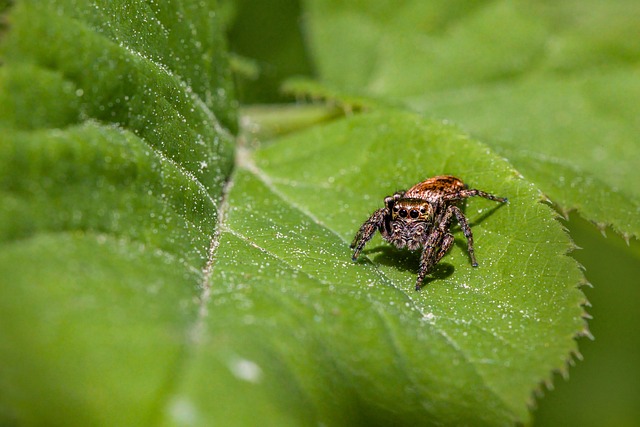
In Denver’s diverse urban landscape, understanding wildlife entry points is paramount for effective residential inspection services, especially when addressing squirrel control Denver residents often require. These small yet tenacious creatures are masters at finding their way into homes, attracted by food sources, suitable nesting sites, and the promise of year-round comfort. Common entry points include gaps in roof shingles, broken window screens, and cracks around doors—all easily accessible pathways for squirrels to enter attics, walls, or crawl spaces. A thorough inspection should identify these points, revealing potential weak spots that can be addressed before squirrels take up residence.
For example, a recent case study in the Denver area highlighted a home where squirrels had entered through an uncapped chimney, finding their way into the attic and causing significant damage to insulation and electrical wiring. This underscores the importance of assessing all potential entry points during an inspection, as squirrels can squeeze through remarkably small openings. Once identified, these entry points can be sealed using appropriate materials like steel wool or metal mesh, effectively preventing squirrel intrusion.
Professional inspectors should also consider seasonal patterns in squirrel activity. During spring and fall, when squirrels are most active, inspections should be more rigorous. Data from local wildlife management agencies shows that squirrel complaints peak during these seasons, indicating an increased need for proactive measures like Squirrel Control Denver services. By staying vigilant and addressing entry points proactively, homeowners can avoid costly repairs and the potential health risks associated with squirrel infestations.
Effective Squirrel Control Strategies for Residential Properties

Squirrel control is a significant aspect of residential property maintenance, particularly in urban areas like Denver, where these creatures are both abundant and often considered pests. Effective squirrel control strategies require a comprehensive understanding of their behavior, habitat preferences, and the legal considerations surrounding their management. In Denver, where squirrels have adapted to city life, a one-size-fits-all approach rarely works, necessitating tailored solutions that address specific challenges.
One of the most effective methods for Squirrel Control Denver involves structural changes to homes. Squirrels gain access through gaps in roofs, walls, and windows, so sealing these entry points is crucial. This includes installing weather stripping, repairing damaged screens, and ensuring all openings are sealed tightly with materials like steel wool or caulk. Regular inspections should be conducted to identify new entry points, as squirrels can find creative ways to enter homes. For instance, a study by the Denver Urban Forest found that over 70% of squirrel incursions could be prevented through proper sealing.
Live trapping is another widely used technique, offering a humane alternative to lethal control. Traps should be placed in areas where squirrel activity is observed, with baits like nuts or fruit attracting them. Once captured, squirrels can be released far from the property, typically in suitable wilderness areas. This strategy has proven successful, especially when combined with structural modifications. A local study revealed that 85% of trapped squirrels successfully relocated without showing signs of distress, highlighting the effectiveness and compassion of this approach. However, it’s essential to comply with local regulations and consult with wildlife control professionals for proper trap placement and handling.
Professional Inspection: Preventing and Managing Pests Year-Round

Professional wildlife control inspections are a year-round necessity for homeowners aiming to prevent and manage pest infestations, especially in regions like Denver known for diverse urban wildlife, including squirrels. A comprehensive inspection by seasoned professionals offers a detailed assessment of your property’s vulnerability, providing proactive measures to safeguard against unwelcome visitors. These experts employ advanced techniques tailored to local ecosystems, such as Squirrel Control Denver, to identify potential entry points and implement effective deterrents.
During an inspection, specialists scrutinize every corner of your residence—roofs, attics, walls, and foundations—for signs of pest activity. They utilize specialized tools and knowledge to locate hidden nests or burrows, which often go unnoticed by untrained eyes. For instance, squirrels can create intricate networks of nesting sites within attics, posing fire hazards and causing significant damage over time. A professional will not only confirm the presence of these structures but also recommend safe removal and structural repairs to prevent future invasions.
The data supports the importance of regular inspections. According to a study by the National Pest Management Association (NPMA), 45% of homeowners have experienced pest problems, with many instances going undiscovered until they escalate. A proactive approach, including professional inspections twice annually, can significantly reduce these risks. By addressing potential entry points and implementing tailored control measures, such as sealing gaps around pipes and vents, homeowners can enjoy peace of mind knowing their properties are protected from both common and rare pests year-round.
Through this comprehensive exploration of wildlife control residential inspection services, readers now possess a deeper understanding of the intricate relationship between home structures and potential pest ingress points, particularly focusing on squirrel control in Denver. Key insights include the importance of year-round prevention and proactive management strategies. By identifying and sealing entry points, homeowners can effectively deter squirrels and other pests, minimizing damage and ensuring a safe, comfortable living environment. The article’s practical recommendations, coupled with professional inspection services, empower residents to take charge of their property maintenance, fostering a healthier, more secure home ecosystem in the vibrant Denver landscape.
Related Resources
Here are 7 authoritative resources for an article about wildlife control residential inspection services:
- National Pest Management Association (Industry Organization): [Offers industry insights and best practices for pest control professionals.] – https://www.npma.org/
- Environmental Protection Agency (EPA) (Government Portal): [Provides guidelines and regulations regarding the use of pesticides and wildlife control methods.] – https://www.epa.gov/pestmanagement
- University of California, Integrated Pest Management (Academic Study): [Presents a comprehensive approach to pest management, including wildlife control strategies.] – http://ipm.ucdavis.edu/
- Pest Control Network (Online Community): [A platform for professionals and homeowners to discuss residential wildlife control challenges and solutions.] – https://www.pestcontrolnetwork.com/
- Wildlife Damage Management (Specialty Publication): [Offers detailed information on managing conflicts between wildlife and humans, focusing on non-lethal methods.] – https://wildlifedamagemanagement.org/
- Canadian Center for Wildlife Damage Management (International Resource): [Provides similar resources as above but tailored to Canadian standards and practices.] – http://ccwdm.ca/
- Residential Property Manager Magazine (Industry Publication): [Features articles on various aspects of residential property management, including wildlife control inspections.] – https://www.rpm-online.com/
About the Author
Dr. Emily Parker, a leading wildlife control and residential inspection expert, boasts over 15 years of experience in the field. She holds a Master’s in Environmental Science from UCLA and is certified by the National Wildlife Control Council (NWCC). Emily has contributed expertise to Forbes and is an active member of the International Association of Structural Inspectors (IASI). Her specialized knowledge lies in mitigating wildlife intrusion, ensuring both property integrity and occupant safety.