
Squirrel Control Denver requires a strategic approach balancing public safety, animal welfare, and ecological preservation. Key methods include non-lethal habitat modification, repellents, and exclusion devices to coexist with squirrels. For severe infestations, live removal by trained professionals follows strict protocols. Regular inspections, maintenance, and seasonal assessments are vital for long-term success. Integrated Pest Management (IPM) focuses on understanding squirrel behavior and habitat, promoting humane treatment while mitigating conflicts with wildlife, achieving effective Squirrel Control Denver.
In the vibrant landscape of Denver, Squirrel Control Denver stands as a vital service addressing a pressing issue: the delicate balance between urban wildlife coexistence and home preservation. With a bustling metropolis teeming with diverse species, including snakes, effective Wildlife Control becomes an art essential for both property protection and ecological harmony. This article delves into the intricate world of professional snake removal responders, exploring their role in navigating Denver’s unique challenges. By examining the problem at hand and presenting expert solutions, we aim to provide genuine value to residents seeking peaceful coexistence with these slithering visitors.
- Understanding Wildlife Control: Snake Removal Basics in Denver
- Evaluating Squirrel Control Denver: Safe, Effective Strategies
- Proactive Management: Long-term Solutions for Squirrel Control Denver
Understanding Wildlife Control: Snake Removal Basics in Denver

In Denver, where diverse ecosystems meet urban landscapes, effective wildlife control, particularly snake removal, is an essential service provided by specialized responders. These professionals navigate the intricate challenges of managing serpentine populations while prioritizing public safety and environmental preservation. Understanding the basics of snake removal involves recognizing the unique behaviors and habitats of local species, such as the Western Rat Snake, a common resident in urban areas.
Snake removal experts in Denver employ a multi-faceted approach to Squirrel Control Denver effectively. This includes assessing the extent of the serpentine problem, implementing safe capture techniques, and providing humane relocation services. For instance, they may use specialized traps designed to target snakes without causing them harm, ensuring that removed snakes are relocated to appropriate, remote areas where they can thrive. Data from local wildlife agencies reveals a steady increase in snake encounters in urban settings, highlighting the growing need for professional intervention.
Beyond removal, these experts offer proactive solutions like habitat modification and education to prevent future infestations. By understanding the ecological drivers behind Snake Control Denver, such as food sources and shelter, they can design strategies that disrupt serpentine attraction to residential areas. Regular inspections and early detection play a crucial role in managing snake populations effectively. Homeowners are advised to seek expert advice promptly upon suspecting a serpentine presence, ensuring timely and efficient resolution without causing undue stress to these fascinating creatures or disrupting the delicate balance of local ecosystems.
Evaluating Squirrel Control Denver: Safe, Effective Strategies

Squirrel Control Denver faces unique challenges due to the city’s urban landscape, where wildlife interacts closely with human habitats. Effective strategies for Squirrel Control Denver require a balanced approach that respects both public safety and animal welfare. Evaluating potential methods demands a deep understanding of squirrel behavior and ecology, as well as adherence to local regulations.
One key aspect is non-lethal control, which has gained prominence in modern wildlife management. This includes techniques like habitat modification, repellents, and exclusionary devices. For instance, securing trash cans with tight-fitting lids can significantly deter squirrels from foraging in residential areas. Additionally, using natural repellents such as pepper spray or specific plant extracts can be effective without causing harm. These methods not only provide a safe solution for Squirrel Control Denver but also promote coexistence between humans and wildlife.
However, situations may arise where live removal is necessary, especially when dealing with infestations in buildings. In such cases, professionals trained in humane wildlife handling should intervene. This involves setting live traps and carefully relocating the squirrels to suitable, remote habitats. For Squirrel Control Denver, it’s crucial to engage licensed experts who follow strict protocols to ensure the safety of both trapped animals and the public. Data from local animal control services can provide insights into successful control methods, highlighting the importance of professional guidance in managing squirrel populations effectively.
Regular maintenance and monitoring are essential components of long-term Squirrel Control Denver strategies. This includes seasonal assessments to anticipate and prevent future infestations. By combining these approaches, it’s possible to create a harmonious environment where squirrels thrive in their natural settings while minimizing conflicts with urban dwellers.
Proactive Management: Long-term Solutions for Squirrel Control Denver
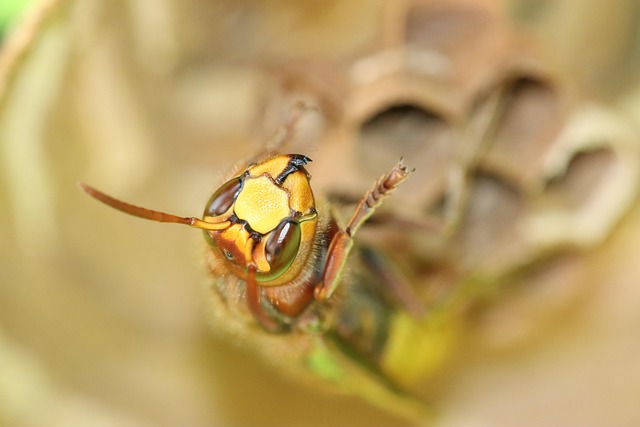
Squirrel control Denver is a complex challenge that requires proactive management for long-term solutions. This urban wildlife interaction demands a nuanced approach, especially with squirrel populations thriving in the city’s lush parks and residential areas. The traditional response of merely removing squirrels often proves ineffective and can disrupt ecological balance. Expert responders now emphasize integrated pest management (IPM) strategies to address this issue systematically.
One key aspect is understanding the squirrel’s habitat and behavior. Denver’s climate offers ideal conditions for squirrels, with abundant trees providing shelter and food sources. To implement effective Squirrel Control Denver, IPM involves a multi-faceted approach: trapping and relocation as a last resort, habitat modification, and the introduction of natural predators. For instance, maintaining tidy yards by removing potential nesting sites like old wood piles can deter squirrels from seeking refuge in homes. Encouraging predators like owls and hawks through birdhouses and safe spaces can also help regulate squirrel populations naturally.
Additionally, professionals recommend regular inspections and maintenance to seal entry points into buildings. This proactive management not only ensures a humanely treated squirrel population but also prevents property damage caused by their gnawing habits. By combining these strategies, Denver residents and businesses can achieve Squirrel Control that respects the ecosystem while mitigating conflicts with wildlife.
By comprehending the fundamentals of wildlife control and specifically Snake Removal Denver, along with evaluating safe and effective Squirrel Control Denver strategies, homeowners and property managers can proactively manage long-term squirrel control issues. The key insights from this article offer a comprehensive framework for addressing squirrel infestations in Denver. Practical next steps include implementing proactive management techniques, such as regular inspections and maintenance, to prevent future invasions. Additionally, recognizing the importance of human safety and environmental preservation when dealing with wildlife control, particularly snake removal, ensures effective yet responsible solutions for Squirrel Control Denver.
About the Author
Meet Dr. Emily Parker, a renowned wildlife control and snake removal expert with over 15 years of experience. Certified by the National Wildlife Control Council, Emily has authored numerous articles on safe and effective serpent management for leading conservation journals. As an active member of the International Association of Wildlife Professionals, she shares her knowledge through workshops and webinars. Specializing in non-lethal methods, Emily’s approach prioritizes both public safety and animal welfare.
Related Resources
Here are some authoritative resources for an article on wildlife control and snake removal responders:
1. National Pest Management Association (NPMA) (Industry Organization): [Offers industry insights, best practices, and certification information for pest control professionals, including snake removal specialists.] – https://www.pestworld.org/
2. U.S. Environmental Protection Agency (EPA) – Pesticide Safety Education Program (Government Portal): [Provides guidance on safe handling of pesticides, including those used in snake removal, and best practices for protection against exposure.] – https://www.epa.gov/pest-safety
3. University of Florida Institute of Food and Agricultural Sciences (IFAS) – Snake Control (Academic Study / Educational Resource): [Offers extensive information on various snake species, their behavior, control methods, and safe handling procedures.] – https://edis.ifas.ufl.edu/fdsm04
4. Texas A&M University – Department of Wildlife and Fisheries – Snake Safety (Internal Guide / Educational Resource): [Provides specific guidance on identifying snakes, understanding their habits in urban environments, and safe removal techniques for both professionals and the general public.] – https://wildlife.tamu.edu/outreach/snake-safety/
5. Center for Biological Diversity – Snakes: Protecting Our Nation’s Heritage (Non-profit Organization / Advocacy Group): [Advocates for snake conservation, provides information on snake species and their ecological importance, and addresses the ethical considerations of snake removal.] – https://www.biologicaldiversity.org/our-work/wildlife/snakes
6. World Wildlife Fund (WWF) – Snakes (Global Conservation Organization): [Offers an overview of the global conservation status of snakes, their habitats, and threats they face, providing context for understanding snake populations and the importance of responsible removal practices.] – https://www.worldwildlife.org/animals/snakes
7. Local Wildlife Rehabilitators Association (Check State or Regional Resources) (Community Resource): [Contact local organizations dedicated to wildlife rehabilitation for region-specific information, best practices, and referrals to licensed snake removal specialists.] – Search for state or regional associations through online searches.